
Why Your Ethereum Browser Wallet Needs a Second Look — and What Actually Helps
Okay, so check this out—DeFi wallets in the browser are everywhere. Wow! They’re convenient and frightening at the same time. My instinct said: trust less, verify more. Initially I thought browser wallets would be a solved problem, but then I watched a friend lose an ETH position because of a tiny permission he didn’t understand.
Seriously? Yeah. The attack surface is small and sharp. Folks click “connect” like they’re signing up for a newsletter. Hmm… that felt wrong to me the first time I saw it. On one hand the UX is polished; on the other hand the permission model is opaque and, though actually the tech is improving, many users are still very very exposed.
Here’s the thing. You can lock down most risks with a few habits and the right extension. Wow! Think of your wallet like a car — you can add a steering wheel lock, but you also need to drive carefully. I’m biased toward tooling that gives you control without annoying pop-ups. Something felt off about “one-click everything” long ago… and I still prefer to be deliberate about every transaction.
Let’s break down the real threats. Wow! Phishing is the headline-grabber. Scams that trick you into signing an arbitrary transaction are common. But more subtle is the “infinite approval” problem where DApps ask you to approve an unlimited allowance that can be drained later. That larger class of exposure is what keeps me up sometimes—no joke.
Why do people fall for it? Hmm… cognitive load. People don’t parse raw data. They see their token balance go up and they approve. Seriously, quick heuristics fail when gas fees are low and incentives are high. Initially I assumed advanced users would spot dangerous approvals, but then I audited transactions from a mid-size project and saw approvals that would make any security engineer sigh. Actually, wait—let me rephrase that: the issue is less ignorance and more misleading UX.
So what’s practical defense? Layered controls. Wow! Use a hardware wallet when you can. Use a wallet extension that surfaces granular approvals and transaction simulation. If a tool shows you the actual contract calls and why gas spikes, you can make an informed call. I’m not 100% sure any solution is perfect, but layered defenses reduce single points of failure.
Okay—practical checklist time. Wow! First, never click “approve” blind. Second, prefer session-based approvals rather than infinite allowances. Third, isolate assets across accounts: keep small balances in a hot wallet and store the rest offline. I like to keep a gas buffer and a separate account for yield strategies. Oh, and by the way, set transaction confirmations to manual whenever you’re interacting with unfamiliar contracts.
Tools matter. Wow! Not all browser extensions are built equal. Some prioritize UX and hide dangerous defaults. Others show advanced options but bury them. My rule of thumb: pick an extension that explains permissions and lets you revoke allowances easily. I tested a few, and one that struck the right balance was the one I linked below because it makes permission management straightforward without being annoying.
How I audit a wallet extension in ten minutes
Firstly, check the permission model. Wow! Does it ask for unlimited token approvals by default? Does it let you set caps? Next, look at the transaction preview. Does it decode calls into human-friendly terms, or is it a hex soup? Third, review the allowance and revocation flow—can you revoke in one click or is it multiple steps? I’m biased, but a clear revocation path is a dealbreaker for me. I once had to hunt through three menus to remove an allowance—ugh.
Fourth, check for open-source code and community audits. Wow! Not perfect, but transparency reduces risk. If a project publishes audits and has active maintainers responding on GitHub, that’s a good sign. Fifth, test the UX under stress: simulate a token swap, a contract approval, and a delegated spend—see how the extension surfaces risks. My instinct said it’s boring, but actually this hands-on test reveals a lot.
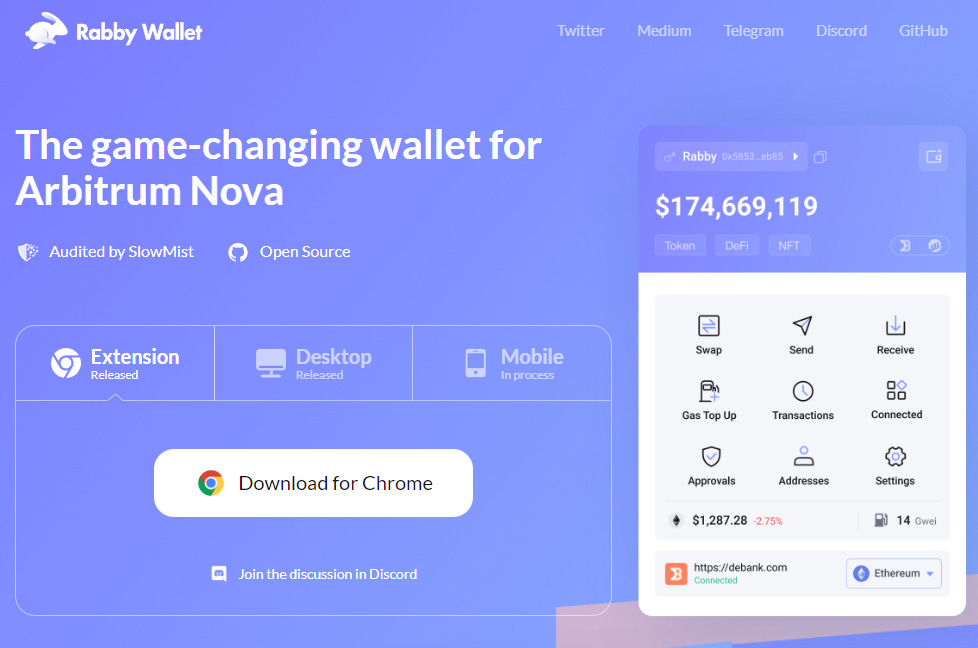
If you want a quick recommendation, try the link below for a download that emphasizes granular control and good UX. Wow! I found it balanced and pragmatic when I tested it on Mainnet and testnets. I’m not endorsing miracle cures—no wallet will stop social engineering—but this one helps you see the details before you sign.
Now, some complications. Wow! Browser wallets interact with browser-level attackers—malicious extensions, compromised tabs, clipboard hijackers. That means your browser hygiene matters as much as the wallet. Keep extensions minimal, avoid shady downloads, and use a dedicated browser profile for crypto activity if you can. I’m not a fan of keeping everything in one profile; it’s like keeping cash in the same pocket as your keys—convenient but risky.
Also, consider multi-sig for larger pots. Wow! Multi-sig isn’t for everyone because it adds friction, but for treasury or community funds it’s essential. On the other hand, single-user multisigs (like smart contract wallets) can also fail if your recovery keys are lost. There’s no perfect answer—trade-offs everywhere. Initially I thought multisig was overkill for small DAOs, but seeing theft incidents changed my view.
What about mobile vs desktop? Wow! Mobile wallets are convenient during on-the-go trading, but mobile OSes can be less transparent about background processes. Desktop browser extensions give you more room to inspect, though they also invite malicious extensions. On balance I prefer desktop for high-value operations and mobile for quick checks. That’s my bias—your mileage may vary.
One last practical tip: habit stack approvals. Wow! When I enter a new DApp, I first do a read-only interaction—view balances, check contract address on Etherscan, confirm the DApp’s reputation. Then I do a minimal test transaction with tiny amounts. Then, if all looks good, I proceed. It sounds tedious, but this pattern has saved me more than once. Honestly, it made a huge difference when I audited liquidity pools during market volatility.
Common questions folks ask
Is a browser extension wallet safe enough for DeFi?
Short answer: yes, with caveats. Wow! Browser wallets are practical and can be reasonably secure if paired with good practices—hardware wallets for large balances, isolation between accounts, frequent allowance checks, and cautious interactions. On one hand they’re convenient; on the other hand they expose you to UI and browser-level risks. If you’re moving significant sums, add more layers of protection, like multisig or hardware confirmations.
How do I spot a malicious transaction?
Look for odd recipient addresses, unexpected function calls, or approvals that grant unlimited allowances. Wow! If the transaction involves “approve” instead of a direct transfer, pause. Use the decoded call data and, if in doubt, search the contract address on a block explorer or community channels. I’m not 100% certain you’ll catch everything, but these checks drastically cut risk.





Add comment